
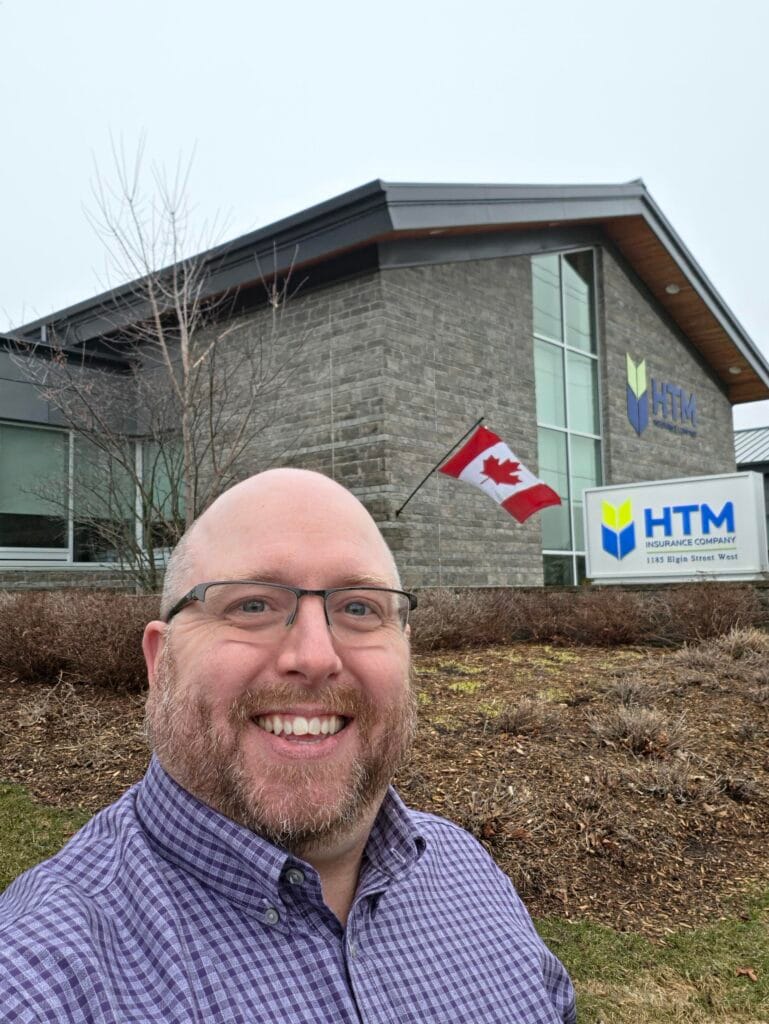
On the last day of March, Dan made a brief stop in Cobourg, Ontario, on his way home from Toronto—where he discovered the Hamilton Township Mutual Insurance Company (HTM). HTM provides farm, auto, residential, and commercial insurance products and was founded 128 years ago, in 1898, as the Hamilton Township Mutual Fire Insurance Company. Its origins are a familiar and compelling story: it was created by farmers, for farmers, when they found themselves unable to secure insurance for their own properties and livestock.
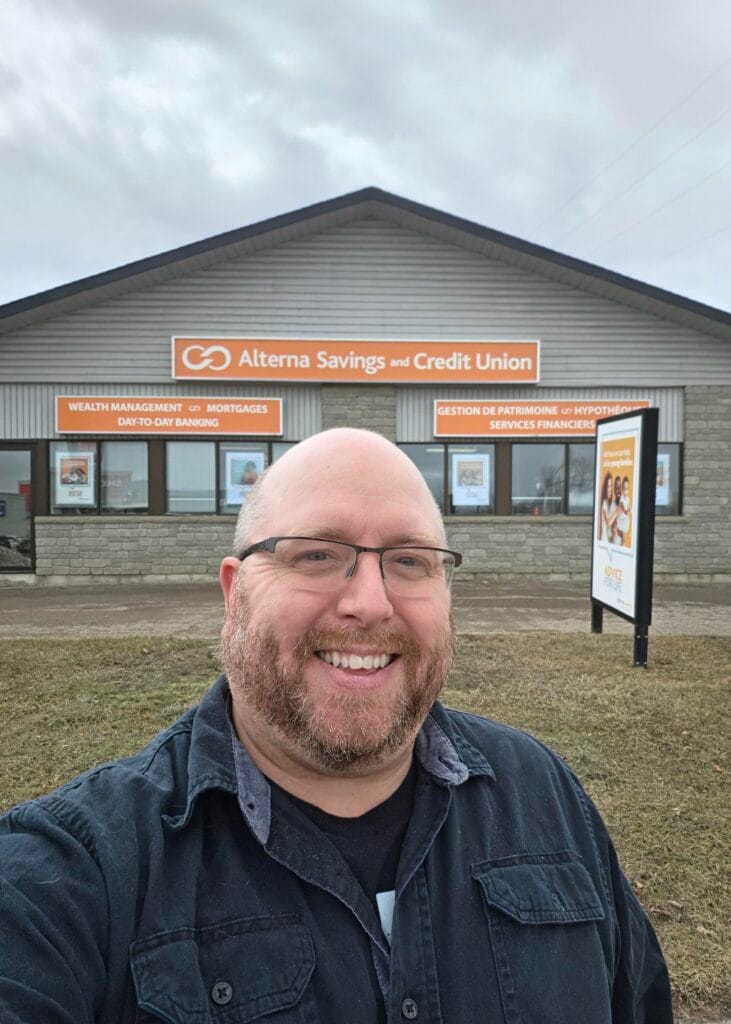
While travelling through the Ottawa Valley over Easter weekend, he couldn’t resist stopping to take a quick photo outside the Alterna Savings and Credit Union branch in Pembroke, Ontario. The branch is part of a network of 47 locations serving more than 230,000 members. Alterna branches are located across the National Capital Region, the Greater Toronto Area, northwestern Ontario—and, as of January 1, 2026, southwestern Ontario following its merger with Tandia Financial Credit Union. Founded more than 115 years ago, Alterna was the first full-service, member-owned financial co-operative outside of Quebec and remains a leading financial institution rooted in community service.
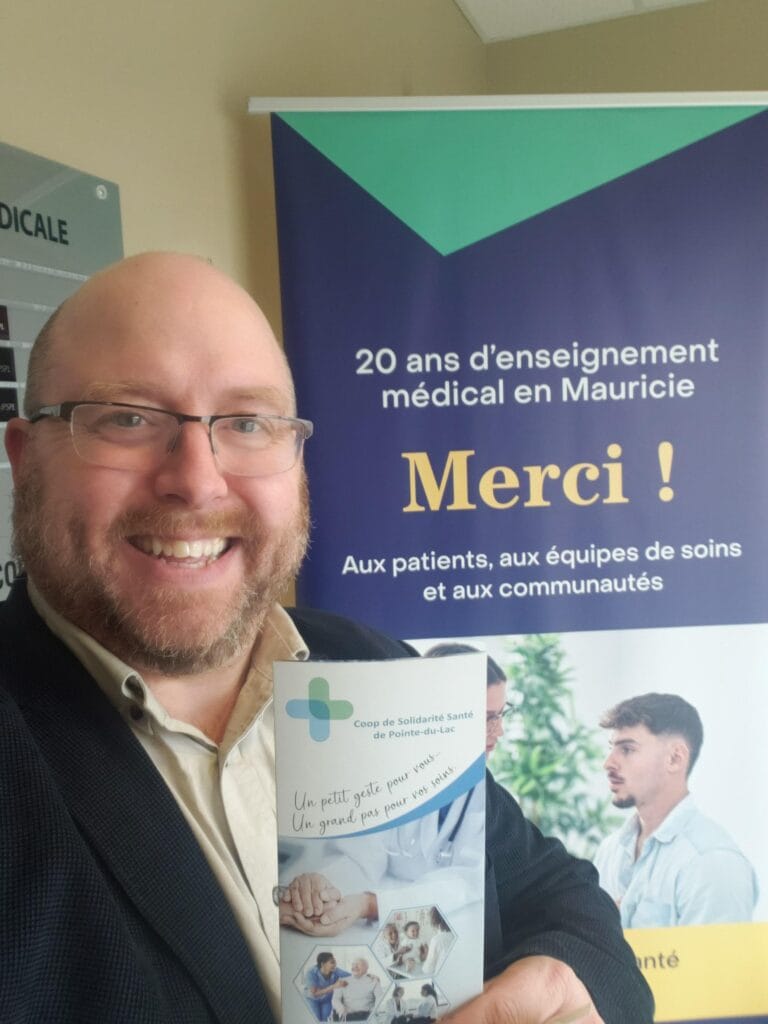
A few days later, while driving east and passing on the outskirts of Trois‑Rivières, Quebec, Dan stopped by the Coopérative de solidarité santé de Pointe‑du‑Lac. The co-operative provides accessible, community-based health services to approximately 8,000 patients and is staffed by 13 physicians and three nurse practitioners specializing in primary care. Their work is supported by auxiliary nurses, medical secretaries, administrative staff, and a social worker. Without the co‑operative model, the clinic would have been forced to close, and health professionals would have relocated their practices elsewhere. In 2025—declared the International Year of Co‑operatives—the co‑operative proudly celebrated its 20th anniversary.
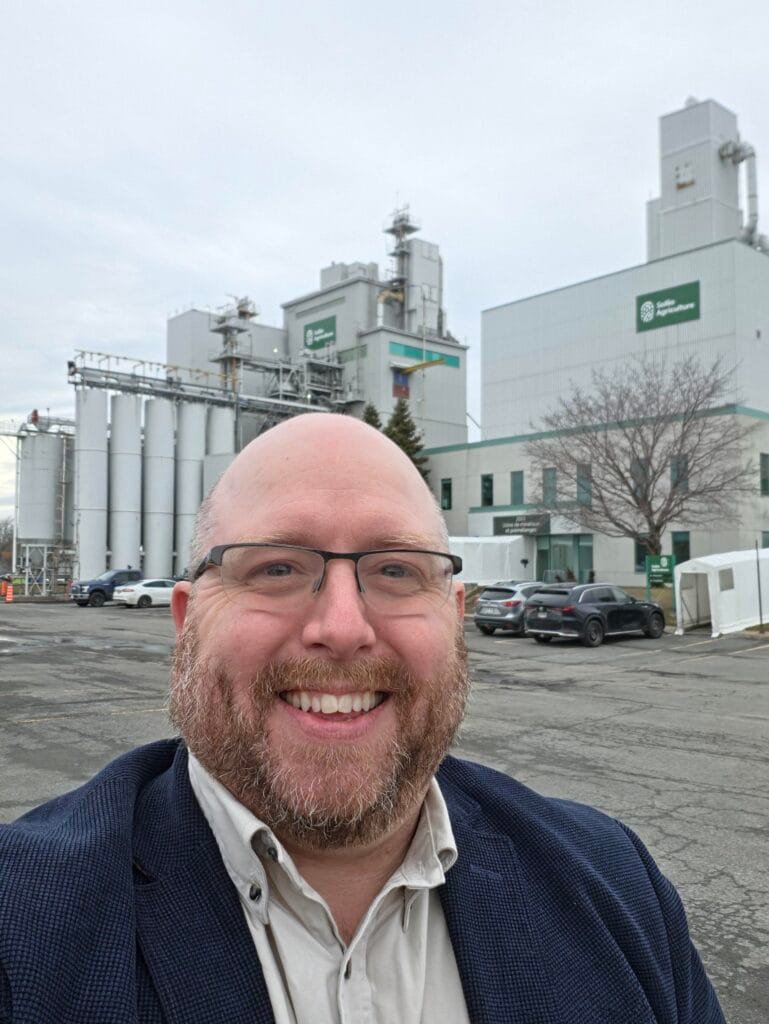
As he continued his drive through Lévis, a familiar logo caught Dan’s eye—prompting an inevitable quick stop outside a minerals and pre-mixes plant operated by Sollio Agriculture. Sollio Agriculture is one of three divisions that make up the Sollio Co‑operative Group, Canada’s largest agriculture and agri-food co‑operative. This division alone generates $2.5 billion in revenue, reflecting its significant role in supporting the country’s agricultural sector.

It would be impossible to drive through Lévis without mentioning Desjardins. This stop even offered a three‑for‑one view: Dan standing along Boulevard Alphonse‑Desjardins, across from the Caisse Desjardins de Lévis, with the Cité Desjardins de la coopération—the six‑building headquarters complex—visible in the background. Also nearby is the Maison Alphonse‑Desjardins, previously featured in an earlier edition of Dan’s Co‑op Adventures. This historic site is one of the inaugural 31 Co‑operative Cultural Heritage sites selected worldwide and marks the birthplace of the financial institution that today serves more than 10 million members and clients.
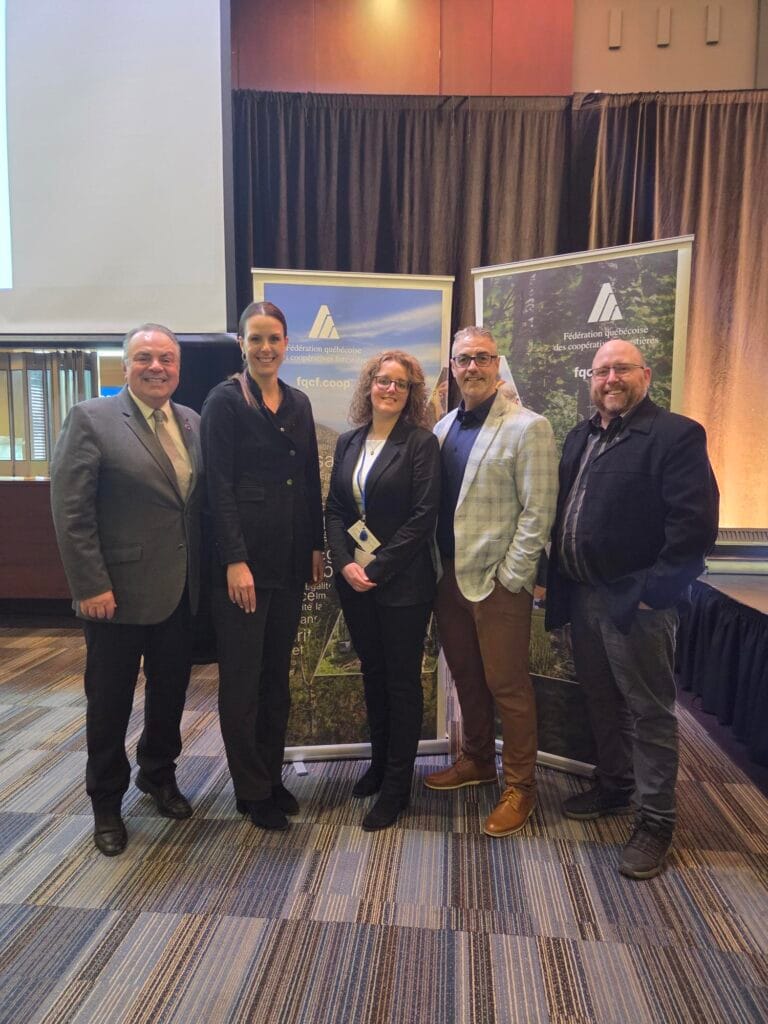
Dan represented CMC at the annual general meeting and conference of the Québec Federation of Forestry Co‑operatives (FQCF), held in Rivière‑du‑Loup, Quebec. Representing 40 member organizations, the Federation brings together forest workers’ co‑operatives, worker‑shareholder co‑operatives, and multi‑stakeholder (solidarity) co‑operatives across Québec’s forest sector, advocating on their shared priorities. The FQCF is also a key voice and committed advocacy partner in efforts to address issues related to access to the Small Business Deduction for co‑operatives outside the agriculture and fisheries sectors.
Pictured from left to right are: J. Benoit Caron, Chief Executive Officer of the Consortium de coopération des entreprises collectives, which provides services to the FQCF; Marie‑Josée Paquette, Executive Director of the Conseil québécois de la coopération et de la mutualité and representative of the francophone provincial and territorial associations on the CMC Board; Annie Beaupré, Executive Director of the FQCF; and Stéphane Gagnon, Chair of the FQCF Board.

On his return drive from the FQCF conference, Dan had the pleasure of sharing a meal with members of the Consortium de coopération des entreprises collectives. With close to 100 staff and numerous mandates supporting co‑operatives and social enterprises, the Consortium is a true intercooperation success story and a leading example of a deemed non‑profit co‑operative carrying out commercial activities.
Among the many topics discussed over lunch was the launch of the newly established Fédération québécoise des coopératives du numérique (FQCN). The FQCN evolved from the Fédération des coopératives de câblodistribution et de télécommunication du Québec (FCCTQ) and now serves as a unified voice for digital co‑operatives in a context marked by challenges related to digital access and sovereignty, as well as the rapid emergence of artificial intelligence. François Allaire, pictured on the left and Director of Strategic Development, spoke about this evolution with the pride of a parent watching a child embark on a new chapter.
Also pictured are two Congress 2026 speakers: J. Benoit Caron, Chief Executive Officer (on the right), who will share stories of co‑operatives in unexpected places as part of the Not the Usual Suspects stream; and Luka Aubin‑Jobin, Director of Public Affairs (centre), who will lead the At the Table or on the Menu advocacy session.
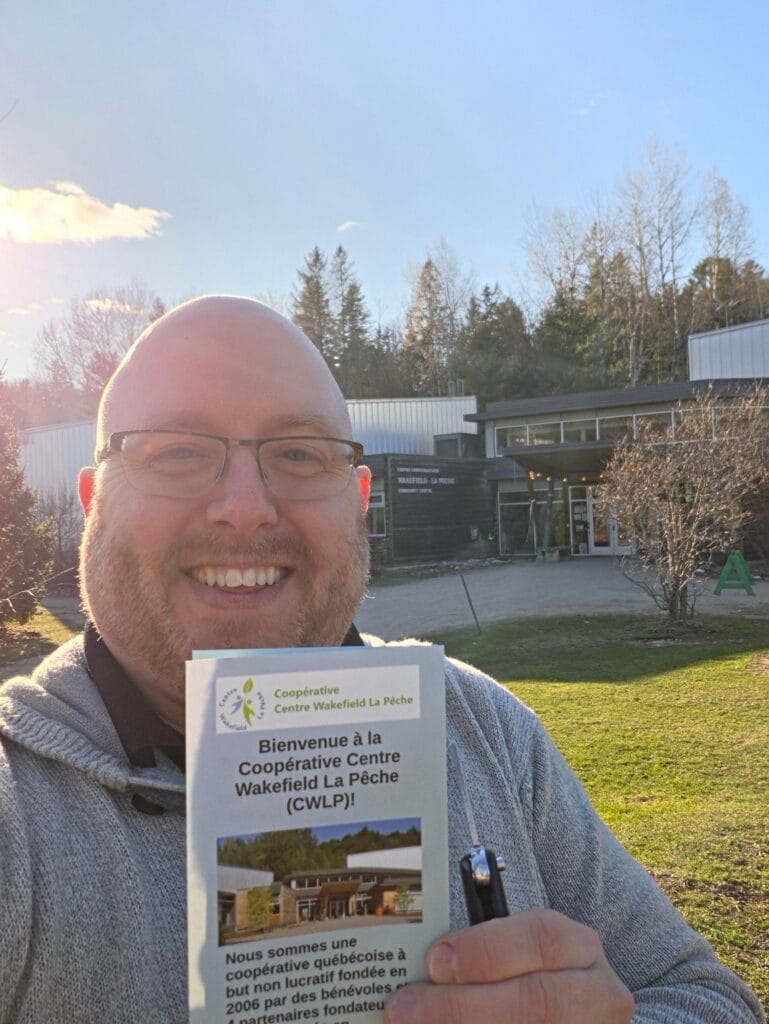
Close to home—but far enough to warrant a stop—the Centre Wakefield La Pêche has a particularly compelling backstory. This multi‑stakeholder (solidarity) co‑operative was founded in 2006 by four founding member organizations to create a permanent home for their activities and to provide residents with access to programming and event spaces through a member‑owned and operated community centre.
The founding members—the local library, Wakefield Activities for Youth (WAY), the Wakefield Recreation Centre, and Théâtre Wakefield—offer a strong example of organizations coming together to address a shared need: the creation and long‑term preservation of spaces for arts, culture, and leisure activities. The Centre Wakefield La Pêche Co‑operative is also frequently cited as a model of a member‑governed co‑operative that serves its members while remaining accessible to the broader public—a distinction that is often worth clarifying as part of co‑operative awareness efforts.
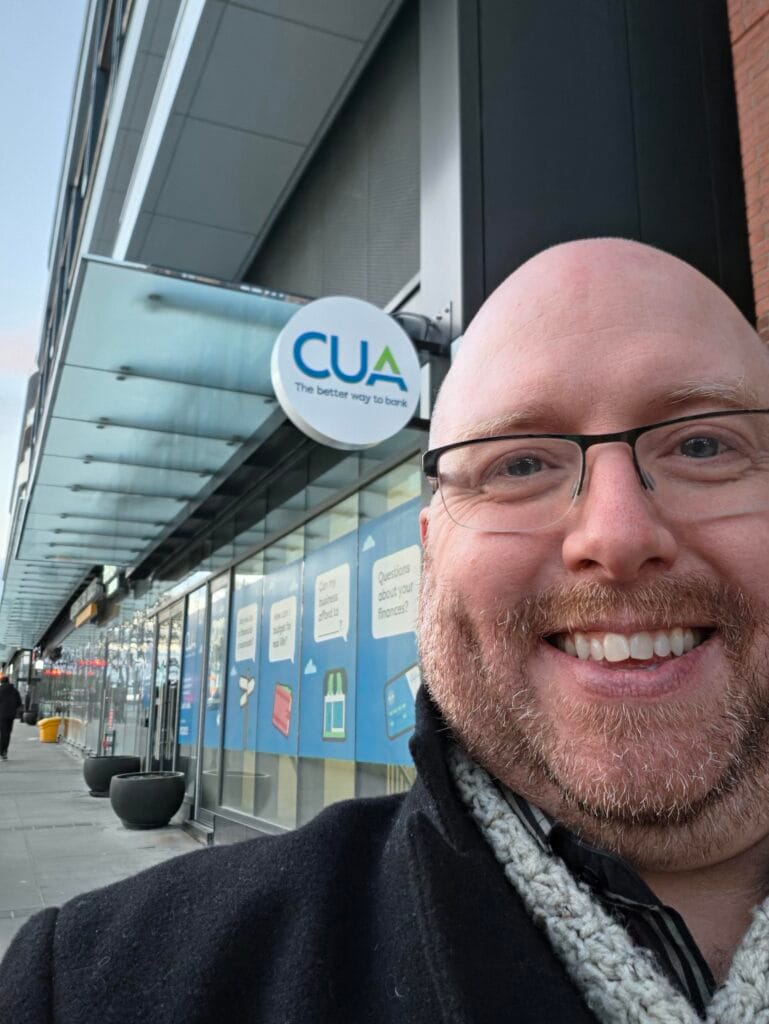
The adventures continued in Halifax, home to the headquarters of 53 co‑operatives. It was therefore no surprise that several could be spotted simply by walking around—including one of the eight branches of Credit Union Atlantic (CUA), which can be found from Cole Harbour to Tantallon. Established more than 75 years ago in 1948 as the Dockyard Credit Union, CUA now serves 25,000 members and manages assets exceeding $1 billion.
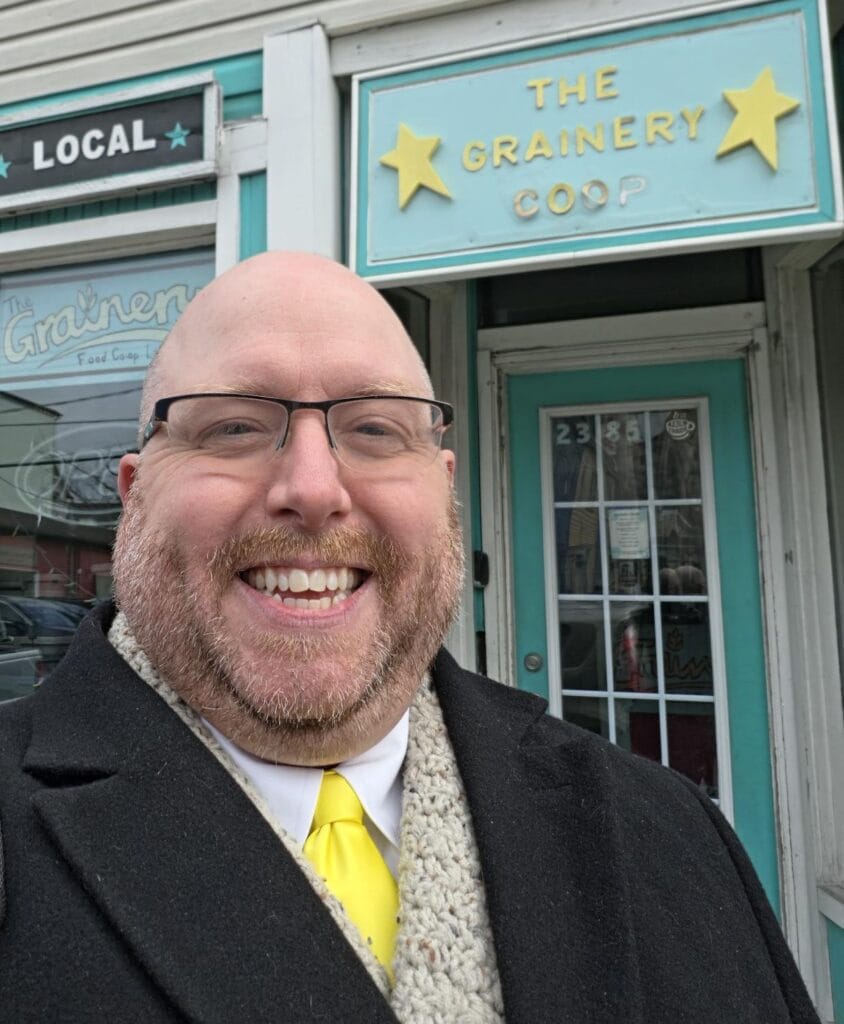
The Grainery Food Co‑op was the next stop—an established and respected non‑profit co‑operative that has been serving Halifax’s North End (K’jipuktuk) for 25 years. Entirely volunteer‑run, the Grainery offers a wide range of bulk food items—from nuts, seeds, and dried fruits to cereals, legumes, and whole‑grain flours—with a strong emphasis on local and organic options. As outlined on its website, the co‑op operates according to an “ethic of enough,” grounded in a caring economy and the belief that food should be a human right—first and foremost a means of building community, rather than generating profit.
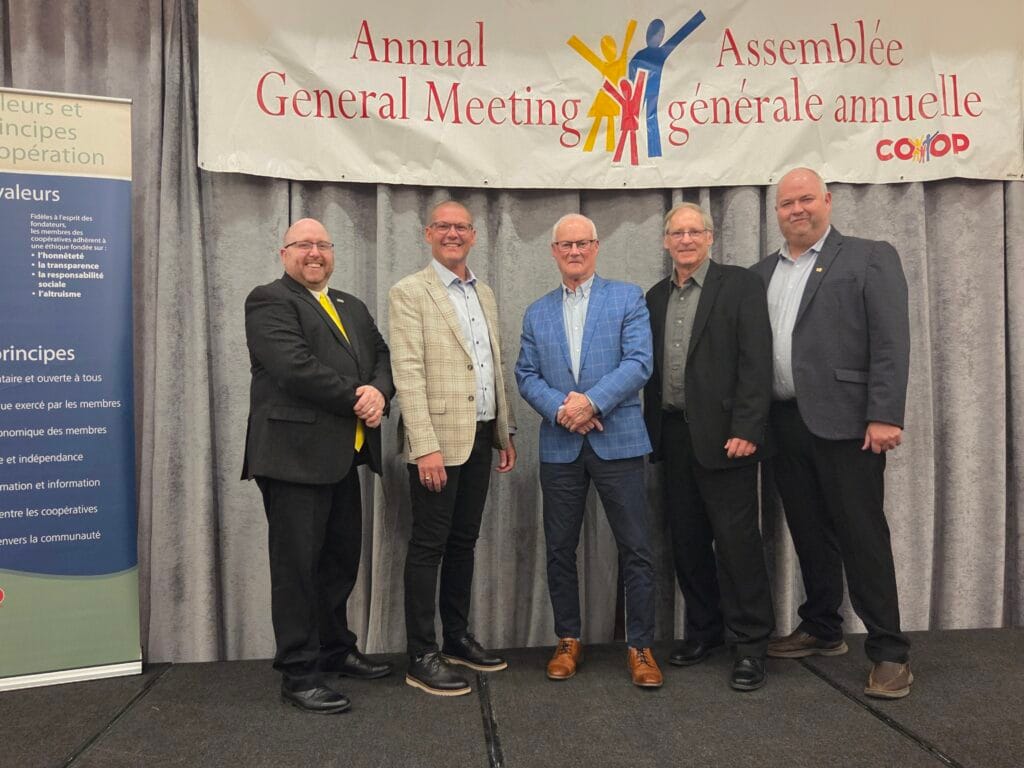
Dan then brought greetings on behalf of CMC and shared an overview of the Canadian co‑operative movement at the Annual General Meeting of the Atlantic Retail Co‑operative Federations (ARCF). The Federation, which legally assumed responsibility for Co‑op Atlantic in 2016, has continued to evolve and now provides support to members across Nova Scotia, Newfoundland and Labrador, Prince Edward Island, and New Brunswick.
ARCF offers a broad range of business advisory services, including store manager recruitment and other human resources supports, governance training, by‑law and policy reviews and updates, supplier negotiations, and more. The event also marked an important leadership transition, with the announcement that long‑serving Executive Director Murray Hatchard would be retiring. He will be succeeded by Darren MacKinnon, currently General Manager of the Tignish Co‑operative in Prince Edward Island, as ARCF’s new Executive Director.
Dan is pictured here with Rémi Roy, ARCF Board Chair; Jeff Yuill, President and CEO of the Nova Scotia Co‑operative Council; and the outgoing and incoming Executive Directors.
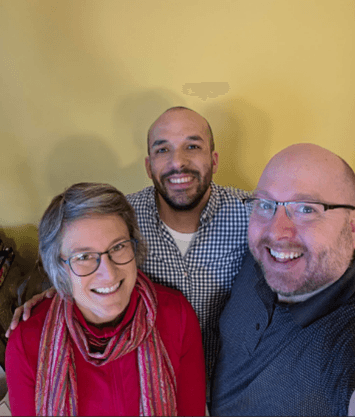
Prior to departing the East Coast, Dan took the opportunity to connect with two Halifax‑area co‑operators: Karen Miner, a nine‑year CMC Board veteran and Managing Director of the International Centre for Co‑operative Management at Saint Mary’s University, and Alejandro (Alex) Mediavilla, Director of Economic Development and Affordable Housing at the Nova Scotia Co‑operative Council. Their wide‑ranging morning conversation touched on governance, advocacy, “the map,” member engagement, housing, and more—and could easily have continued, uninterrupted, for days, if not weeks or months.
If you would like to invite Dan to visit your co‑operative, credit union, caisse, or mutual during his travels, please contact him at dbrunette@canada.coop.